

Social Media Marketing For Musicians – A Guide
As a musician, you already know how much hard work you have to put in, to make your career a success. You need to create music, play gigs, book the next venue you’ll be playing at, and more. When you’re so busy with managing your career, you could end up overlooking an important aspect of making your career a success. This is social media marketing.
With the right marketing initiatives, you’ll not only be able to promote your music, but also expand your fanbase. You’ll be able to network and find people who can provide you with gigs in the future, and you can also grow your brand. Through social media marketing, you can raise your visibility and expand your reach. When done right, social media marketing isn’t overwhelming or time consuming. You can create a routine for yourself, that helps you make the most of the time you spend on marketing yourself online. Social media marketing is important for everyone from amateur musicians to seasoned professionals. Here’s how you do it.
1. Find Your Fanbase
The first thing you’ll need to do is identify who your fanbase is. When you know who you’re marketing campaigns should be aimed at, you can better reach the right audience. This can in turn help you to grow your fanbase. You could try to focus on local fans at the beginning.
Use local hashtags as well as geotags, when you market yourself online. Consider the age of your audience as well. Through social media, you can easily access the youthful crowd, who are more likely to be your fans.
You can build your identity as a musician around a particular genre as well. This can help you to better reach potential fans who are interested in the kind of music you want to produce.
2. Creating Visual Presentations
When you’re doing social media marketing, it isn’t just your music that’s important. You’ll also need to market your music identity. Fans will be interested in you not just for your music, but also for your visual identity. This is why you should think about creating a brand identity that captures the essence of your music.
Think about how you’ll design your music brand as well, such as getting a logo. Your logo is an important part of your visual representation, and it will go on everything from your album artwork to your promotional material, and more. You can also choose a color palette for your social media campaigns. This same color palette can carry through in your album artwork, visual style, and more.
3. Optimizing Social Media Platforms
You’ll need to optimize your social media platforms, if you want to attract followers and grow your engagement. Think about when your audience is most likely to be active on social media. This can help you figure out what time you’re most likely to see more people engage, when you post. You’ll need to post consistently as well, to stay relevant.
You can create a posting schedule for yourself, to ensure that you post regularly.
4. Using Social Media Platforms Properly
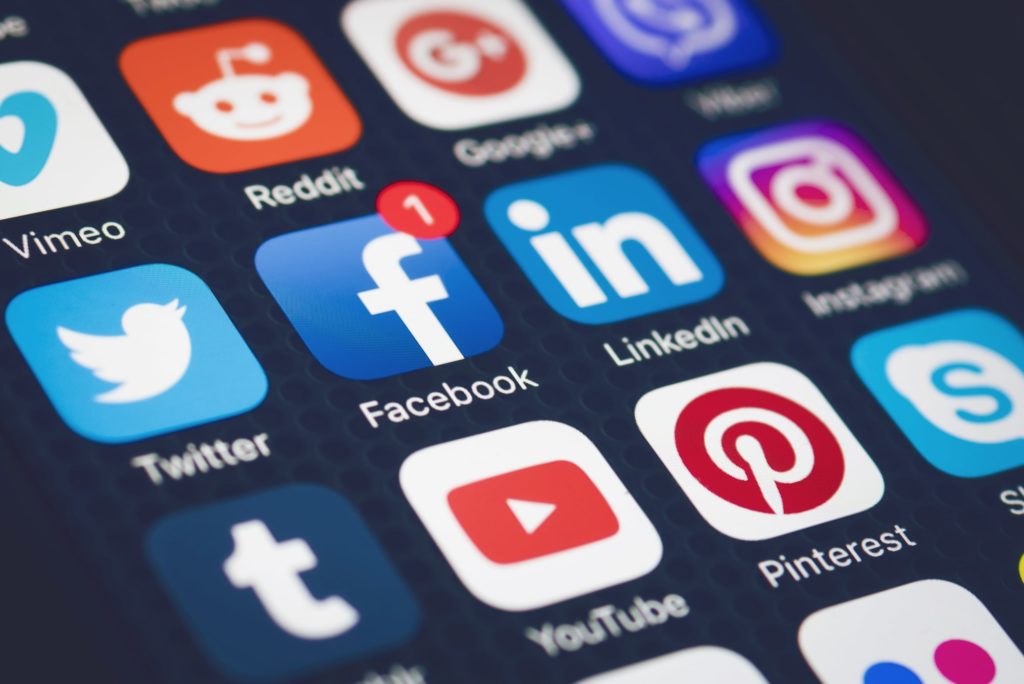
Once you’ve created your content strategy, it’s time to decide where you’re going to post it. When you should post on different platforms will differ, so make sure you adjust your schedule according to each platform. A platform like Instagram is great for teasing music releases, showing album artwork, sharing professional updates, as well as engaging with fans through polls.
On Facebook you can post longer content and provide greater details about your work. You can let followers know about promotions that are upcoming and can also respond directly to fan comments. Twitter allows you to retweet your fans, as well as other artists. You can interact with your fans using short sentences. You can also link to your website in the bio section of your profile.
YouTube is where you post your music videos, recordings of your audio sessions, as well as behind the scenes content.
5. Interacting With Fans
Through your social media, you should focus on building engagement with your fans. You should develop a good back and forth rapport with as many fans as you can. Increase your opportunities to connect with them by asking questions or replying to their comments. Remember to be genuine in how you approach your fans.
Conclusion
Social media marketing is a powerful tool for musicians. Not only should you create a social media marketing strategy, but you should also ensure that you’re consistent in your approach to see good results. Use the tips in this guide to start your social media marketing journey today.
Stock photos: Dreamstime.com

Related Posts

How to Pin a Comment on Instagram

How to Like a Story on Instagram
